
Community
Third Places Are Disappearing and We Feel It
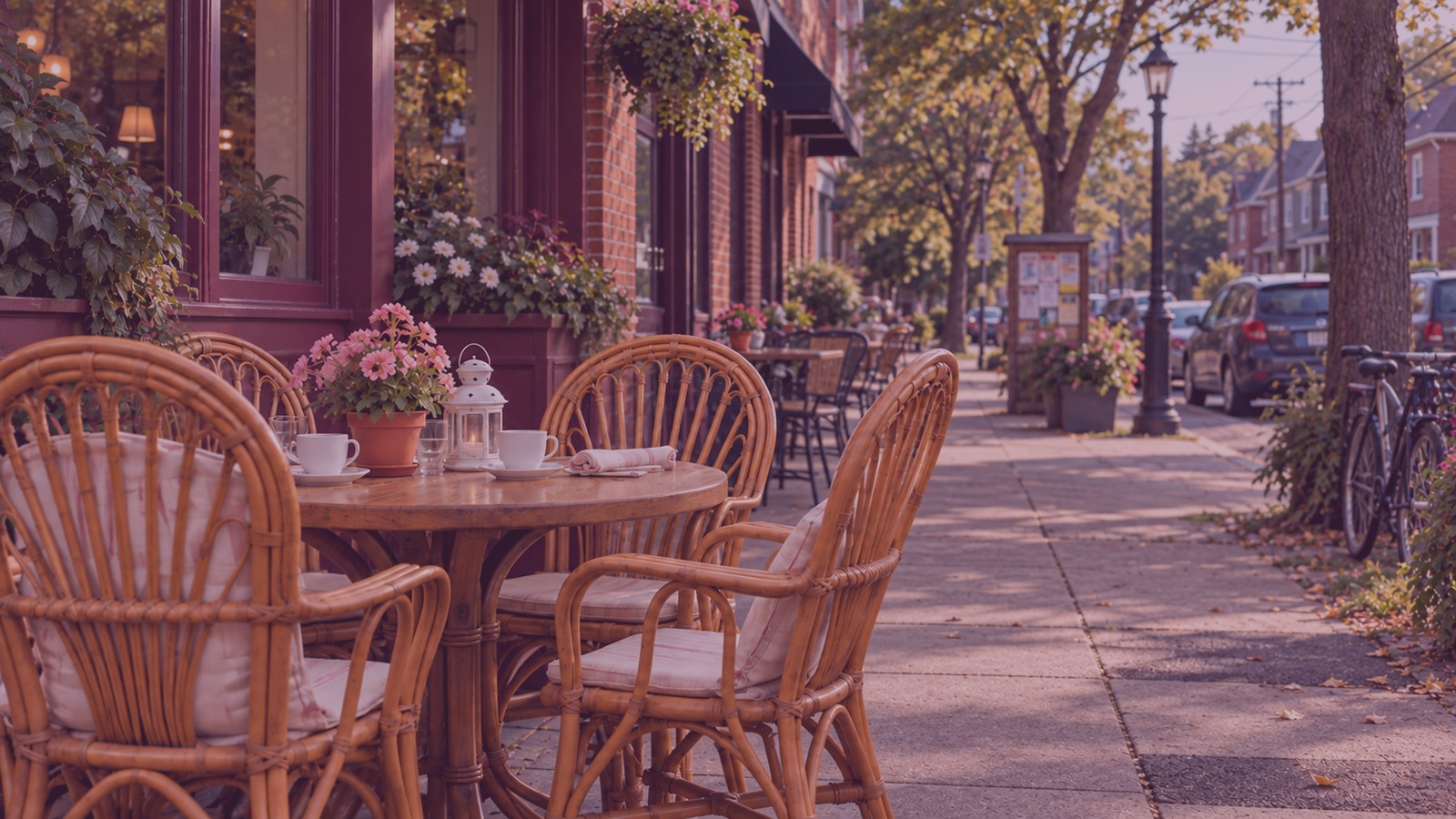
In 2017, I spent five months in South Carolina, pet sitting for a popular YouTuber. I was in a new city without an established community of my own, so I found a local café where I could work on personal projects. I started going about three times a week, and before long, the baristas knew my name. We'd chat, banter and catch up while I settled in with my laptop.
None of those interactions were planned, and they didn't need to become deep friendships to matter. The café gave me something I hadn't expected: a small but genuine sense of belonging. I wasn't simply passing through a business anymore. I'd become a familiar person in a familiar place, and that helped a city I was temporarily living in feel a little more like home.
Years later, I may not remember every project I worked on at those tables, but I remember what it felt like to walk through the door and be recognised. There's something grounding about being expected somewhere, even if it's only by the person who knows your coffee order.
That's what third places can do. They're the spaces between home and work where we can be around other people without needing an invitation, appointment or particular reason to be there. Cafés, libraries, parks, markets, community centres, faith spaces, recreation halls and familiar shops can all play this role.
We don't always notice how important these places are until they disappear. A café closes, library hours shrink or a public bench is removed, and the loss is larger than the service itself. One more place where people could be seen, recognised and loosely connected is gone.
We tend to talk about loneliness as an individual problem. Make more friends. Join a group. Put yourself out there. But connection also needs somewhere to happen. It's much easier to become part of a community when there are welcoming places where people can encounter one another naturally and more than once.
The Places Between Home and Work
A third place doesn't have to be impressive. It doesn't need beautiful furniture, elaborate programming or a carefully curated atmosphere. Its value comes from being familiar, accessible and separate from the demands of home and employment.
You can arrive without having to host, clean or complete a specific task. Other people are there, but no one expects you to become close friends immediately. You can simply sit, work, read, walk, browse or exchange a few words with someone you recognise.
Over time, those repeated encounters create a quiet form of belonging. The staff begin to know your usual order. Someone notices you haven't visited lately. Familiar faces exchange a few words about the weather, local news or what's happening in their lives. These moments may seem small, but they remind us that we exist within a social world.
This matters even more for people whose homes or jobs don't offer much day-to-day connection. Someone working remotely may spend most of the week alone. A person between jobs may suddenly lose the casual interactions that came with employment. A newcomer may not have established friendships, while an older adult may have watched their social circle become smaller over time.
A third place gives us somewhere to go before we have a reason to be invited. I think that distinction matters. Not everyone has the energy, confidence or existing relationships required to join a formal group. Sitting in a familiar café, walking through a market or visiting the library can offer a gentler way into community life.
These places also bring different parts of a community into the same space. Retirees, teenagers, parents, newcomers, remote workers and local business owners may briefly share a room even when their lives rarely overlap elsewhere. That's often how a neighbourhood begins to feel less like a collection of separate households and more like an actual community.
Why Casual Connection Matters
Close relationships are important, but they can't meet every social need. Friendship asks for time, trust and emotional investment. Casual connections offer something different: recognition, conversation and information without requiring immediate closeness.
Sometimes we don't need a deep conversation. We need to exchange a joke with the person behind the counter, say hello to someone we regularly see at the library or have a familiar face acknowledge us while we're out walking. Those small interactions can make an ordinary week feel less anonymous.
They can also become surprisingly practical. Someone shares a job lead, recommends a repair person, mentions an upcoming event or explains how to access a local service. Community knowledge often travels through conversation long before it reaches an official website or formal program.
As I explored in Why Communities and Neighbourhoods Should Bring Back Job Boards, local opportunities become easier to find when people have trusted places to exchange information. A bulletin board works partly because a community already gathers around it. The physical space and the information being shared support one another.
This is part of what the café in South Carolina gave me. I went there because I needed somewhere to work, but the conversations around that work helped me feel connected to the city. The café became more than a table and an internet connection because the people inside it began to recognise me.
What We Lose When Every Space Has a Price
Here's where things get complicated. Many of the places where people gather now require ongoing spending. We can sit in a café, join a gym or attend a ticketed event if we can afford it, but there are fewer places where someone can comfortably remain without purchasing access.
This particularly affects youth, seniors, unemployed people and anyone living with limited income. When money's tight, even a small purchase a few times a week may no longer be realistic. The person doesn't only lose the coffee or activity. They may also lose their routine, familiar faces and one of their few reasons to leave the house.
At the same time, small businesses face real costs. Rent, wages, utilities, insurance and supplies mean a café or shop can't provide unlimited public space for free. Employees also shouldn't be expected to become social workers, crisis responders or unpaid caregivers simply because a business has become important to the community.
So, the answer isn't to place the entire responsibility for connection on café owners and shopkeepers. Public investment matters too. Libraries, parks, community rooms and recreation spaces are social infrastructure, not optional decoration. Municipal decisions about opening hours, seating, washrooms, transit and accessibility influence who can participate in public life.
When every available space requires a purchase, belonging becomes tied to income. A healthy community needs places where people can be present without continually having to prove their value as customers.
Rural Communities Feel the Loss Differently
The disappearance of third places is felt everywhere, but I've become especially aware of it while living in a rural area. In a city, the closure of one café or community space may leave several other options nearby. In a small town, losing one place can remove a significant portion of where people naturally meet.
Transportation adds another layer. If someone doesn't drive, the next library, café, market or program may be too far away to function as a real alternative. A person can live within sight of other homes and still become deeply isolated because there's nowhere accessible for those separate lives to overlap.
Rural third places also tend to serve several purposes at once. A hardware store may be where someone hears about seasonal work. A farmers' market may introduce a new resident to local growers and businesses. A community hall may host celebrations, public meetings, exercise classes and emergency support. Their social role stretches far beyond the transaction or event that officially brought people there.
Digital groups can help bridge some of that distance. They allow residents to share information, ask questions and learn what's happening nearby. But being connected online doesn't necessarily mean we feel less alone. We can participate in several local Facebook groups and still spend most of the week by ourselves at home.
Communities need both. Digital spaces can help us find one another, while physical spaces give those connections somewhere to become real.
Local Businesses Can Help Hold the Middle
Local businesses can become valuable third places when their space and business model allow it. A few comfortable chairs, a shared table, a community notice board or a recurring low-cost gathering can create more opportunities for connection than we might expect.
Staff often become informal points of continuity because they see the same people over time. They may welcome a newcomer, remember a regular customer's name or direct someone towards a local service. Those small gestures can shape how a person experiences the entire community.
But this social value should be recognised and supported rather than taken for granted. Municipalities and community organisations could partner with local businesses through small grants, shared programming, public seating or promotion. An employer might sponsor a weekly community coffee hour. A library could collaborate with a café on a book club or remote-work morning. A local business association could help identify welcoming spaces throughout town.
There are also opportunities here for people who see what their community's missing. Someone might open a café designed for remote workers and community gatherings, organise pop-up events in underused spaces or create programming that helps newcomers meet local residents. A business can earn revenue while also becoming part of the social fabric around it.
That doesn't mean every empty storefront needs to become a community project, or that every business needs to welcome people indefinitely without making a purchase. The goal is to design models where community value and business sustainability can support each other.
Clear boundaries matter. A welcoming environment still needs to protect employees, customers and the accessibility of the space. Staff shouldn't be expected to carry responsibilities they weren't hired, trained or paid to manage.
We Can Rebuild Small Places of Belonging
The encouraging part is that rebuilding third places doesn't always require constructing a new building. A library can extend a weekly gathering, a congregation can open an underused room or a neighbourhood can add seating and a notice board to an existing space. A seasonal market might add a covered community table, while a recreation centre could create drop-in hours that don't require registration for a full program.
Often, the strongest idea is the one that uses what's already available. Many communities have rooms, storefronts, gardens and public areas that sit empty for part of the week. The opportunity may be to make those places more visible, accessible and welcoming rather than starting from nothing.
Still, opening the door isn't enough. We also have to ask who's missing. A space open only during conventional working hours won't serve everyone. A program requiring advance registration may exclude people who need a lower-pressure way to participate. A physically accessible entrance means little if the washroom isn't accessible or there's no realistic transportation to the building.
Sensory needs matter too. Not everyone can comfortably participate in a crowded, brightly lit or noisy environment. Quieter hours, clear information about what to expect and different ways of participating can help more people feel like the space was designed with them in mind.
Then the invitation needs to be consistent. Belonging rarely forms through one large event. It grows when people know the place will still be there next week and that they can return without having to earn their way in.
The first visit may feel awkward. The second becomes more familiar. By the fifth, someone may know your name.
Closing Thoughts
We feel the loss of third places because human beings need more than private homes, workplaces and online feeds. We need places where life overlaps, familiar faces emerge and information travels through ordinary conversation.
My time in South Carolina taught me that belonging doesn't always begin with close friendship. Sometimes it begins when a barista remembers your name, when someone smiles as you walk through the door or when there's a table where you know you can return. Those experiences may look small, but they can change how a place feels.
Third places give newcomers a way in, remote workers somewhere to go and people of different ages and backgrounds a chance to encounter one another without a formal invitation. They help turn a collection of nearby households into something closer to a community.
We don't have to recreate the past exactly. We can build new versions around how people live now, using cafés, libraries, gardens, markets, community rooms and spaces we may already have. But the purpose remains simple: give people somewhere to be together without asking them to turn every interaction into a purchase, appointment or performance.
Thanks for reading!
Miranda